Austin Home
In today’s digital age, many people work from home. As a result, the design of home office furniture has gained significant attention. One crucial factor often overlooked is ergonomics. Understanding why is ergonomics important in home office furniture can transform our working experience.
Good ergonomic furniture promotes proper posture. It reduces the risk of strain during long hours of work. Many individuals underestimate how chairs and desks can affect their health. They may feel comfort initially but suffer from fatigue later. Investing in ergonomic designs fosters better productivity.
Moreover, an ergonomic setup enhances focus. Discomfort can distract us from our tasks. A well-designed workspace encourages longer, enjoyable work sessions. However, not everyone knows how to choose right. Sometimes, we may have to rethink our choices. In doing so, we can significantly improve our work environment.
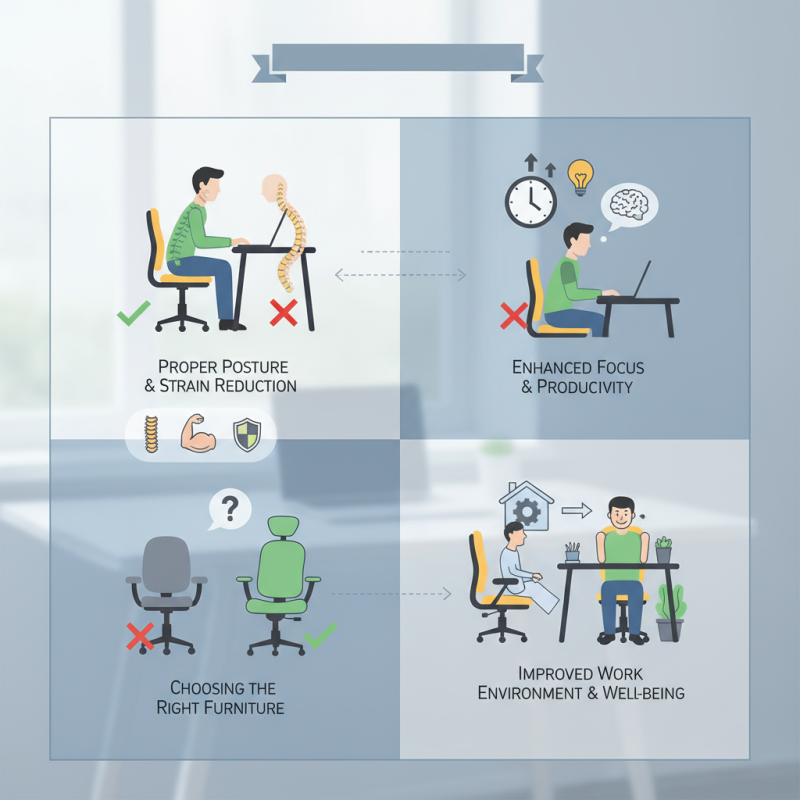
Ergonomics plays a vital role in the design of home office furniture. In a recent survey by the American Chiropractic Association, 80% of office workers reported experiencing back pain. This statistic highlights the need for well-designed ergonomic furniture. A properly designed chair can reduce discomfort, improve posture, and even enhance productivity.
Studies indicate that ergonomic chairs can lead to a 17% increase in productivity. The correct desk height and chair alignment are essential. Many remote workers often overlook these aspects, leading to long-term health issues. A desk that allows for the forearms to be parallel to the floor encourages better body alignment. Small adjustments can make a significant difference in overall comfort.
Further, a report from the National Institute for Occupational Safety and Health stresses the importance of adjustable furniture. Personalizing your workspace can help address unique body types and personal preferences. Yet, many home offices remain unoptimized. Reflection on your current setup can reveal areas needing improvement. Prioritizing ergonomic solutions can lead to a more comfortable and efficient workspace.
Ergonomic furniture plays a crucial role in enhancing employee health and productivity at home. Poor posture and discomfort can lead to serious health issues. When individuals sit inappropriately, they may experience back pain and headaches. This can slow down productivity and negatively impact their workday.
Choosing the right chair is essential. An ergonomic chair supports the natural curve of the spine. It should allow adjustments for height and lumbar support. A good desk can fit both sitting and standing positions.
**Tips:** Invest in a chair that promotes good posture. Make sure your computer screen is eye level. This reduces neck strain. Even small changes can lead to significant improvements.
Incorporating ergonomic principles into home offices is not always easy. Many people overlook their workspace setup. Over time, this neglect can lead to chronic pain. Reflecting on your workspace regularly is important. Consider adjusting your furniture to fit your needs better. Small adjustments can lead to a better work experience.
This chart displays the impact of ergonomic furniture on various aspects of employee health and productivity metrics, indicating significant improvements across different areas.
The rise of remote work has highlighted the importance of ergonomics in home office setups. Statistics reveal that poor office arrangements contribute significantly to musculoskeletal disorders (MSDs). These disorders affect the spine, neck, and limbs, leading to pain and discomfort. A study shows that 60% of remote workers experience back pain, directly linked to their office furniture choices.
To mitigate these issues, consider your workspace’s layout. Ensure your chair supports your lower back. Feet should rest flat on the floor, with knees at a right angle. Adjust your monitor so that your eyes are level with the top of the screen. This simple change can help reduce strain on your neck and eyes.
Remember, it’s not just about furniture. Take breaks regularly. Moving around or stretching every hour can alleviate built-up tension. Incorporate these small adjustments into your daily routine. Ultimately, a well-organized workspace promotes better health and productivity. While many overlook the arrangement, addressing these aspects can lead to significant improvements in overall well-being.
When setting up a home office, selecting ergonomic furniture is crucial. The key features of ergonomic furniture contribute significantly to comfort and productivity. Focus on adjustable chairs that support your lumbar spine. A chair with proper cushioning can reduce strain during long hours of work. Look for desks that allow you to alternate between sitting and standing. This promotes better posture and energy levels throughout the day.
Tips: Always adjust your chair height. Your feet should rest flat on the ground. Monitor placement matters too — it should be at eye level. This prevents neck strain and helps maintain focus. Ensure your keyboard is positioned to keep wrists straight.
Pay attention to materials as well. Breathable fabrics can prevent sweating during warm days. Remember, a clutter-free workspace enhances concentration. Incorporate storage solutions that keep essentials close but tidy. This balance can lead to fewer distractions and more efficiency. Embrace these ergonomic principles, and your home office will transform into a sanctuary of productivity.
Investing in ergonomic furniture for home offices is not just about comfort; it directly impacts productivity and health. Studies show that nearly 80% of office workers experience back pain. Ergonomic solutions can significantly reduce these issues. A report from the Occupational Safety and Health Administration indicates that workplaces with ergonomic practices see a 25% decrease in workers' compensation claims.
Creating an ergonomically sound workspace can enhance focus. Poor posture leads to fatigue, diminishing concentration. The Human Factors and Ergonomics Society suggests that a well-designed chair can boost productivity by up to 15%. Adjustments like chair height and proper desk placement contribute to better posture. This not only supports physical health but can enhance overall job satisfaction.
However, many may overlook the long-term benefits of ergonomics. Initial costs of ergonomic furniture can deter investments. Yet, the potential reduction in medical expenses and increased productivity can far outweigh those costs. Balancing comfort and financial constraints is challenging. Continuous evaluation of workspace ergonomics is essential for fostering a sustainable work environment.
: Ergonomics helps reduce discomfort, improve posture, and enhance productivity in home office settings.
Around 80% of office workers experience back pain, emphasizing the need for ergonomic furniture design.
Studies show that using ergonomic chairs can increase productivity by 17%.
Your desk height should let your forearms be parallel to the floor for better body alignment.
Adjustable furniture caters to individual body types and personal preferences, improving comfort.
Regular breaks, at least once an hour, help alleviate tension and improve focus.
Ensure your chair supports your lower back, and keep your monitor at eye level.
Musculoskeletal disorders (MSDs) affect the spine, neck, and limbs, causing pain and discomfort.
Yes, even small changes can significantly improve your overall comfort and productivity.
Analyze your workspace to identify areas needing improvement regarding comfort and ergonomics.
Ergonomics plays a crucial role in home office furniture design, addressing the increasing need for comfortable and supportive work environments. This article explores why is ergonomics important in home office furniture, emphasizing its significant impact on employee health and productivity. Poorly designed office setups can lead to musculoskeletal disorders, with alarming statistics showing a direct correlation between discomfort and decreased efficiency.
Key features to look for in ergonomic furniture include adjustable heights, lumbar support, and materials that promote proper posture. Investing in ergonomic solutions not only enhances immediate comfort but also offers long-term benefits, reducing the risk of chronic pain and boosting overall work performance. As remote work becomes more prevalent, prioritizing ergonomic design in home offices is essential for sustaining both health and productivity.
